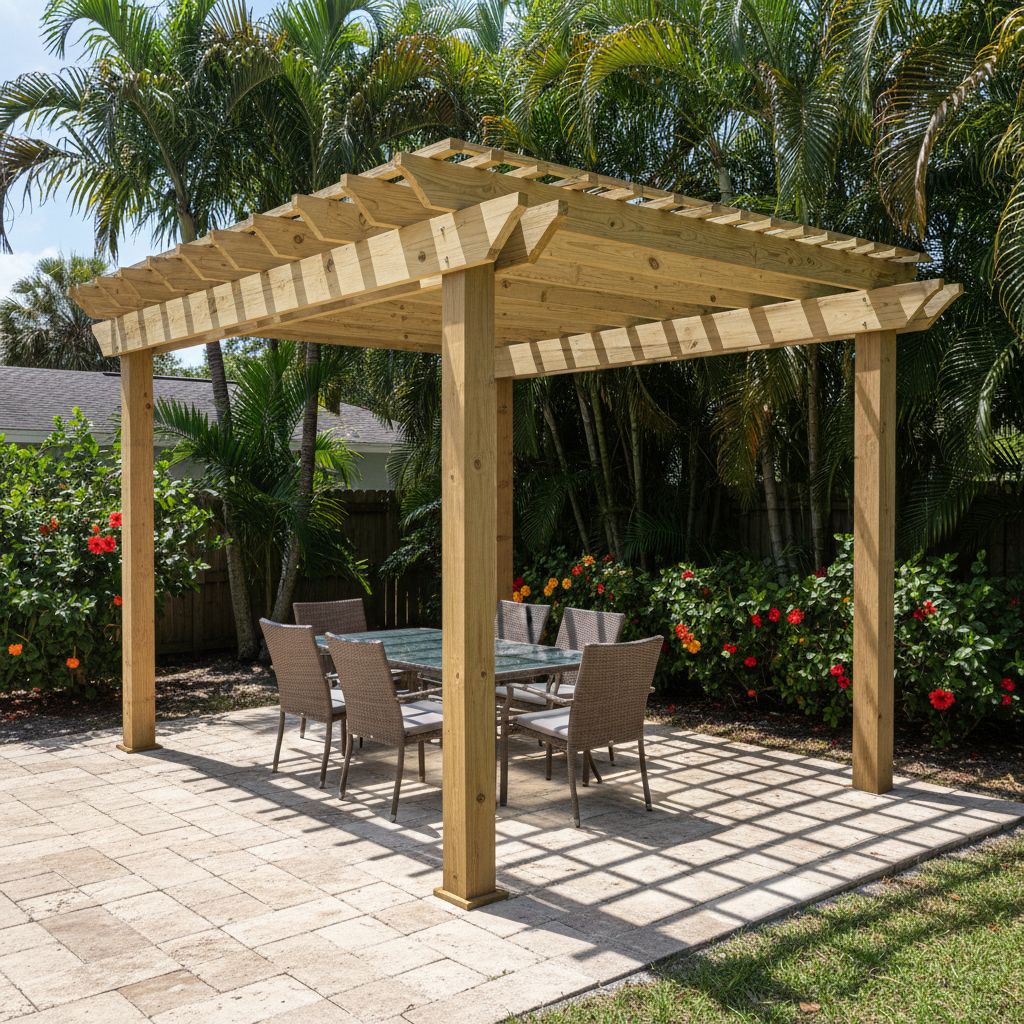
So, you're thinking about adding a pergola to your Fort Lauderdale home. Good call! They really do add a ton of character, provide some much-needed shade, and can make your outdoor space feel like a true extension of your living room. But putting one up down here isn't quite the same as it is up north. Our climate — with its intense sun, heavy rains, and hurricane season — means you've got to approach building and upkeep a little differently.
When's the Best Time to Build a Pergola in Fort Lauderdale?
Honestly, the best time to build a pergola in Fort Lauderdale is usually during our 'dry season.' That's roughly from November through April. Why then? Well, there are a few good reasons.
- Less Rain, Fewer Delays: During the summer, we get those afternoon downpours almost every single day. It's not just annoying; it can seriously slow down construction. We can't exactly be out there cutting wood or pouring footings in a torrential downpour, can we? Building in the drier months means fewer weather-related delays, and we can usually get the job done quicker for you.
- More Comfortable for the Crew: Let's be real, working outside in July with 90% humidity and 95-degree heat is brutal. While our crew is tough, working in more moderate temperatures means they're more efficient. And often, that leads to a better quality build because they're not battling heat exhaustion.
- Beat the Rush: Everyone wants their outdoor space ready for the holidays or for spring entertaining. If you wait until May or June to start thinking about it, you might find yourself waiting longer for permits, for materials, and for a good crew like Aim High Decks to fit you into their schedule. Planning ahead in the fall or winter for a spring completion? That's a smart move.
What Weather Conditions Affect Pergola Construction?
It's not just the rain, though that's definitely a big one. Here's what else we're always keeping an eye on:
- High Winds: Even outside of hurricane season, we get some pretty gusty days. When we're putting up tall posts or large beams, strong winds can make it unsafe for the crew. They can also potentially damage materials, which nobody wants. We'll often have to pause work or reschedule if the winds are too high.
- Extreme Heat and Humidity: Like I said, it affects the crew. But it can also affect the materials themselves. Some sealants and finishes just don't cure properly in super high humidity, and wood can expand and contract more drastically. We need to account for that during the build.
- Soil Saturation: This is a big one, especially if your yard tends to hold water, which is common in some of the low-lying areas near the Intracoastal. If the ground is completely waterlogged, digging footings becomes a real mess. Plus, it can compromise stability if we're pouring concrete. We need a relatively dry base for a solid foundation.
Protecting Your Pergola Investment Year-Round
Once your pergola's built, your job isn't quite over. You've got to protect that investment, especially here in South Florida. The sun, salt, and humidity are absolutely relentless.
- Regular Cleaning: Dirt, pollen, and mildew just love to accumulate on pergolas. A good wash down with a mild detergent and a soft brush or pressure washer (on a low setting, please!) a couple of times a year will do wonders. Don't let that green stuff take over.
- Sealing and Staining: If you've got a wood pergola, this is non-negotiable. The intense UV rays here will bleach and degrade untreated wood fast. I recommend a high-quality UV-resistant sealant or stain every 1-3 years, depending on the product and how much sun it gets. This isn't just for looks, by the way; it also helps prevent rot and insect damage. Composite pergolas are lower maintenance, but they still benefit from cleaning.
- Check for Fasteners and Connections: Our weather can be tough on everything. After a particularly windy storm, or just as part of your annual maintenance routine, give your pergola a good once-over. Are all the bolts tight? Do you see any signs of splitting wood or rust on metal connectors? Catching small issues early can prevent bigger, more expensive problems down the line.
- Trim Nearby Vegetation: Keep trees and shrubs trimmed back from your pergola. Overhanging branches can drop leaves, sap, and provide pathways for pests. Plus, during a storm, a falling branch can do some serious damage.
Building a pergola in Fort Lauderdale is a fantastic way to enhance your home. Just make sure you're thinking about our unique climate every step of the way, from planning the build to keeping it in top shape for years to come. If you're ready to get started or have more questions, give us a call at Aim High Decks. We're always happy to talk shop.