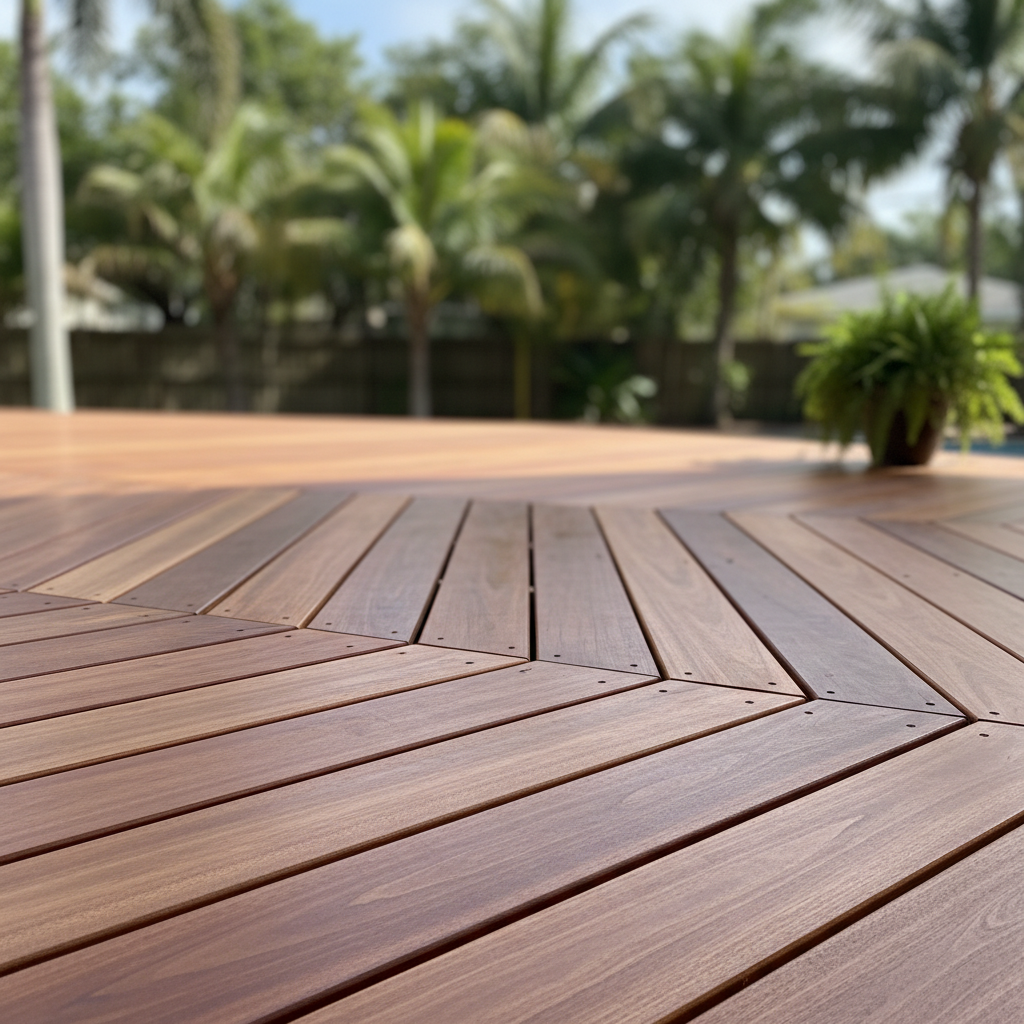
So, you're thinking about adding a wood deck to your Fort Lauderdale home. That's a great idea. A good deck extends your living space, gives you a spot for barbecues, and honestly, it just makes your backyard feel more complete. But before you start dreaming of sunset cocktails, let's talk about what really goes into it. I've been building decks here for years, and I've seen it all – the good, the bad, and the downright soggy.
Before You Build: Planning & Permits
This is where most folks either get it right or run into a wall. You can't just slap a deck down wherever you want, especially not in a place like Fort Lauderdale. We've got specific rules, and ignoring them will cost you time and money.
- Know Your Property Lines: Seriously, don't guess. Pull out your survey. You don't want to build over an easement or, even worse, on your neighbor's property.
- Zoning & Setbacks: Every neighborhood has them. Whether you're in a historic district near Las Olas or a more suburban area west of I-95, there are rules about how close you can build to your property lines and how much of your lot can be covered by structures. Your local planning department is your friend here.
- Permits, Permits, Permits: This isn't optional. Any structure over a certain height or size almost always needs a permit from the City of Fort Lauderdale. This means drawings, inspections, and making sure everything is up to Florida Building Code. Trying to skip this step is a huge headache waiting to happen. If you're hiring a contractor, they should handle this. If you're going DIY, you'll be the one navigating the paperwork.
- Material Choices: For wood decks down here, you're usually looking at pressure-treated pine, cedar, or hardwoods like Ipe. Pressure-treated is common because it resists rot and insects, which are big issues in our humid climate. Cedar looks great but needs more maintenance. Ipe is beautiful and durable but pricier. Think about how much sun your deck will get and how much maintenance you're willing to do.
- Budget: Be realistic. Materials, labor, permits – it all adds up. Get a few quotes if you're hiring. If you're DIYing, price out every board, screw, and bag of concrete.
For the permit stuff, honestly, unless you're a seasoned DIYer who loves paperwork, I'd recommend getting a pro involved. We deal with the city building department all the time; we know the drill.
During Construction: DIY vs. Pro
Alright, plans are approved, materials are ordered. Now comes the fun part – or the hard part, depending on your skill level.
- Footings & Foundation: This is non-negotiable for stability. In Fort Lauderdale, with our sandy soil and high water table, you need proper footings that go deep enough to prevent settling and uplift. We often use concrete piers. This isn't a place to cut corners. If your foundation isn't right, your deck won't last. A professional deck builder like Aim High Decks knows exactly what's needed for our local conditions.
- Framing: This is the skeleton of your deck. It needs to be straight, level, and strong enough to support the load. Joists, beams, ledger boards – they all have to be properly sized and spaced. This requires precision and a good understanding of structural engineering principles.
- Decking & Railings: This is what you see and walk on. Laying boards straight, with proper spacing for drainage and expansion, is key. Railings are critical for safety and often have specific code requirements for height and baluster spacing.
What can you DIY? If you're handy, you can probably handle the decking and railing installation, maybe even some of the framing if you're comfortable with power tools and precise measurements. But for the footings and main structural framing, especially if it's a raised deck, I really suggest calling in a professional. One mistake here can lead to a wobbly, unsafe deck, or worse, a costly repair down the line. We've had to fix plenty of DIY decks where the foundation wasn't up to snuff.
After It's Built: Maintenance is Key
A wood deck isn't a set-it-and-forget-it kind of deal, especially not here in South Florida. The sun, humidity, and rain are tough on wood.
- Cleaning: You'll want to clean your deck annually, maybe even twice a year. A good scrub with a deck cleaner and a stiff brush, or a gentle power wash (be careful not to damage the wood!), will remove mildew, dirt, and algae that thrive in our climate.
- Sealing/Staining: This is crucial for protecting your investment. Wood needs to be sealed or stained every 1-3 years, depending on the product and how much sun your deck gets. This protects it from UV damage, moisture, and helps prevent rot and splintering. Don't skip this. You'll know it's time when water stops beading on the surface.
- Inspections: Give your deck a quick once-over a few times a year. Look for loose boards, wobbly railings, popped nails or screws, and any signs of rot, especially near the ground or where wood meets the house. Catching small problems early saves you from big problems later.
- Clear Debris: Keep leaves, dirt, and potted plants from sitting directly on the wood for long periods. They trap moisture and can lead to rot.
Most of this maintenance you can definitely do yourself. It's just a matter of setting aside the time. If you notice structural issues, significant rot, or a railing that feels unstable, that's when you call a pro. Don't try to patch up a major structural problem yourself; it's a safety hazard.
Building a wood deck in Fort Lauderdale is a solid investment in your home and lifestyle. Just make sure you go into it with your eyes open, understand the local requirements, and know when to roll up your sleeves versus when to call in the experts. A well-built and well-maintained deck will give you years of enjoyment.